
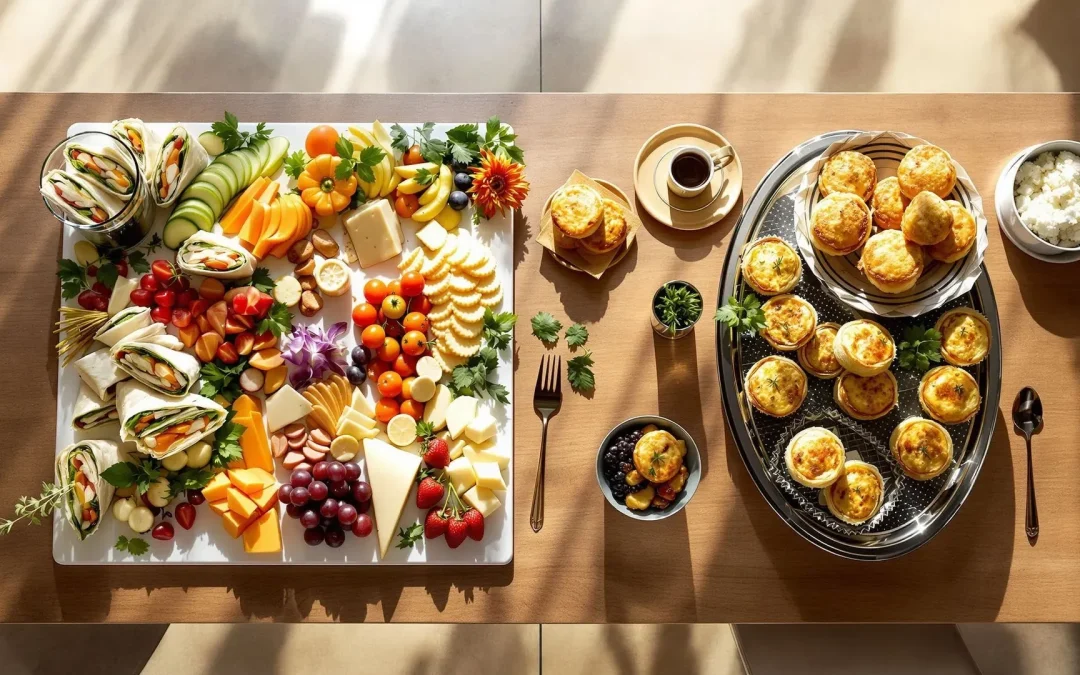
Platters vs savouries is one of the most common questions when planning a function. The right choice depends on your event type, time of day, guest count, budget and how filling the food needs to be.
When planning a function, one of the most common questions is whether you should order platters, savouries, or a mix of both. The answer depends on your event type, time of day, guest count, budget, and how filling the food needs to be.
As a simple rule, choose platters when you need variety, quick setup, and easy grazing. Choose savouries when you want warm, hearty bites that feel more substantial. For most office meetings, school functions, family gatherings, and casual events, a balanced mix usually works best.
A good starting point is the 60/40 rule: 60% platters for variety and 40% savouries for warmth. From there, you can adjust the menu according to your guests and the flow of the event.
What You’ll Learn in This Blog
- When platters are the better choice
- When savouries work best
- How to use the 60/40 rule for easier ordering
- How many pieces to order per person
- Menu ideas for offices, schools, family events, and gatherings
- Setup, heating, labelling, and service tips to make your function run smoothly
Platters vs Savouries: Start With the 60/40 Rule
When comparing platters vs savouries, think about whether guests need quick grazing options, warm food, or a combination of both.
The easiest way to plan your function food is to start with a mix. Platters offer variety, colour, and easy grazing, while savouries add warmth and a more filling option for guests.
For most functions, a good balance is:
60% platters and 40% savouries
This works well for office meetings, school events, family functions, and mixed groups where people may have different preferences.
When to Adjust the Ratio
- Morning teas or school functions: Go lighter with around 70% platters and 30% savouries.
- Lunch or mixed family events: Stay close to the 60/40 rule.
- Evening or after-work functions: Move closer to a 50/50 mix.
- Longer functions: Add more savouries or serve warm food in waves.
The goal is not to over-order. The goal is to order the right mix for the event.
Platters vs Savouries: Which Option Suits Your Function?
Platters are a practical choice when you want food that looks good, is easy to serve, and gives guests plenty of variety. They are especially useful for events where people will be moving around, chatting, or arriving at different times.
Platters can be placed on the table and enjoyed without too much fuss. They also reduce long queues because guests can help themselves while the event continues.
Best Events for Platters
- Office meetings under two hours
- Morning teas
- School functions
- Family birthdays
- Parent evenings
- Open houses
- Training sessions
- Casual business events
What to Include on Platters
- Sandwich platters
- Wrap platters
- Chicken, tuna, and vegetarian fillings
- Seasonal fruit platters
- Vegetable sticks with dips
- Cheese and cracker boards
- Mini dessert bites
- Halaal-friendly and vegetarian options where needed
For added peace of mind when planning Halaal-friendly catering, you can learn more about recognised certification standards through the South African National Halaal Authority (SANHA).
Why Platters Work So Well
Platters are simple, flexible, and guest-friendly. They allow people to choose what suits them without needing a formal meal setup.
They also help with dietary variety. For example, if your event includes vegetarian, Halaal-friendly, or lighter options, a well-labelled platter table can make guests feel more comfortable.
A good platter setup should be clear, neat, and easy to understand. Labelling makes a big difference, especially when guests want to know which items are vegetarian, gluten-free, or Halaal-friendly.
Savouries: The Warm and Filling Option
Savouries bring comfort, warmth, and substance to an event. They are especially useful when your function overlaps with lunchtime, takes place late in the afternoon, or happens after work when guests may be hungry.
Warm savouries can make the food feel more thoughtful and satisfying. They also work well when you want guests to feel like they have had more than just a snack.
Best Events for Savouries
- After-work functions
- Sports award evenings
- Church gatherings
- Community events
- Longer planning sessions
- Lunch meetings
- Family celebrations
- Events that run over mealtimes
Popular Savoury Options
- Mini sausage rolls
- Samosas
- Spring rolls
- Chicken skewers
- Mini quiches
- Spinach and feta pies
- Mini pies
- Cocktail snacks
- Warm pastries
Serving Tip
Serve savouries in smaller batches instead of putting everything out at once. This keeps the food warm and fresh for longer.
For example, you can serve half the savouries when guests arrive and the rest midway through the event. This works especially well for longer functions or events where people arrive at different times.
How Many Pieces Should You Order Per Person?
Portion planning can feel tricky, but a simple guide makes it easier. The number of pieces you need depends on the event duration, time of day, and whether the food is a snack or a meal replacement.
Morning Tea
For a short morning event of about 60 to 90 minutes, plan around:
4 to 6 pieces per person
This should mostly include platters, with one or two savoury items per guest.
Light Lunch
For a light lunch or meeting lasting around 90 to 120 minutes, plan around:
8 to 10 pieces per person
A balanced mix of platters and savouries works well here.
After-Work or Cocktail Function
For an event lasting two to three hours, plan around:
6 to 8 pieces per person
Add more protein-based savouries if guests are likely to arrive hungry.
Children’s Parties
For children’s parties, plan around:
4 to 6 kid-sized pieces per child
Add fruit, juice boxes, simple sandwiches, and child-friendly savouries.
These are practical guidelines, not strict rules. If your guests are big eaters, the event is long, or the function happens close to mealtime, it is safer to increase the portions slightly.
Build Your Menu in 5 Simple Steps
- Consider the time of day: Morning events usually need lighter food, while afternoon and evening events need warmer, more filling options.
- Check the event duration: Short meetings need fewer pieces, while longer events need more food and refills.
- Think about your guests: Consider age, spice preference, dietary needs, and event type.
- Start with the 60/40 ratio: Use 60% platters and 40% savouries as your starting point.
- Include dietary options and labels: Add vegetarian, gluten-free, and Halaal-friendly options where needed.
Example Menu for a School Staff Tea
For a 75-minute school staff tea with 30 people, you could order:
- 2 sandwich platters
- 1 fruit platter
- 1 vegetable platter with dip
- 1 mini quiche tray
- 1 samosa tray
- Tea and coffee
This gives guests a good mix of fresh, light, and warm items without overdoing the order.
Dietary Inclusivity Without the Stress
A good function menu should make guests feel considered. You do not need to create a completely separate menu for every person, but you should include enough variety to cover common needs.
Always Try to Include
- One vegetarian option
- One gluten-free option
- One Halaal-friendly option
- Mild options for children or sensitive guests
- A slightly spicier option for guests who enjoy stronger flavours
Use Clear Labels
Simple labels can prevent repeated questions and confusion. Use tags such as:
- Vegetarian
- Gluten-free
- Halaal-friendly
- Contains nuts
- Mild
- Spicy
Clear labels are especially useful at school events, community functions, and office gatherings where guests may not know the full menu.
Setup, Heat, and Flow Matter
Food is not only about what you order. It is also about how it is served. A good setup helps guests move easily, keeps warm food fresh, and prevents crowding around the table.
Table Flow
Place platters first so guests can start grazing quickly. Put warm savouries towards the middle or end of the table to slow the queue naturally and keep movement controlled.
Keep sauces, serviettes, and utensils at the end of the table so guests do not block the food while trying to organise their plates.
Heat and Freshness
Warm savouries should be served in small batches where possible. This helps keep them crisp, fresh, and enjoyable.
Use suitable warming equipment, insulated containers, or staggered refills if the venue is cool or the event runs for longer than expected.
Refills
A quiet refill every 20 to 30 minutes often works better than putting everything out at once. It keeps the table looking fresh and avoids food drying out.
Small Venue Tip
If space is limited, such as in a boardroom or classroom, use two serving stations. Place platters on one side and savouries on another. This spreads guests out and reduces congestion.
For most functions, platters vs savouries does not need to be an either-or choice, as a balanced mix can suit different guest preferences.
Frequently Asked Questions
Should I order platters or savouries for a function?
Choose platters for variety and savouries for warm bites.
How many platter pieces should I order per person?
Plan 4 to 10 pieces per person, based on event length.
What is the best mix of platters and savouries?
Start with 60% platters and 40% warm savouries.
Final Thoughts
Platters and savouries are not an either-or decision. In most cases, the best option is a smart mix of both.
Platters give your guests variety, freshness, and easy grazing. Savouries add warmth, comfort, and a more filling touch. Start with the 60/40 rule, adjust according to the time of day and type of event, and make sure everything is clearly labelled.
If you would like help choosing the right platters, savouries, or mixed catering menu for your next function, Classique Catering Creations can help you plan a simple, practical, and delicious spread.
Contact Classique Catering Creations to make your next function easier to plan and enjoyable for every guest.
Need help choosing a menu that suits your guest numbers and budget? Read our guide on how to choose a Halaal catering menu in Pretoria for practical planning tips.
Explore our platter catering options for office meetings, school events, family gatherings and private functions.